Strategies to Counteract the Military Invasion of Horus' Enemies
- Michael Jackson

- Mar 4
- 4 min read
Military invasions pose one of the most immediate and severe threats to any nation or group. When enemies launch a solo invasion or a coordinated assault, the stakes are high, and the response must be swift and effective. Success depends not only on the strength of the forces but on the strategic decisions made by the best leader and the application of the best military tactics. This article outlines practical strategies to counteract such invasions, focusing on preparation, response, and long-term defense.
Understand the Enemy’s Intentions and Capabilities
Knowing your enemy is the foundation of any successful defense. Before or during an invasion, gather intelligence on:
Enemy troop numbers and equipment: Estimate the size and strength of the invading force.
Invasion routes: Identify likely paths the enemy will take, including roads, rivers, and mountain passes.
Tactical preferences: Understand if the enemy favors rapid assaults, guerrilla tactics, or siege warfare.
Leadership style: Recognize if the enemy is led by a best leader known for aggressive or cautious strategies.
Accurate intelligence allows you to allocate resources efficiently and anticipate enemy moves. Use reconnaissance drones, satellite imagery, and human intelligence to build a clear picture.
Fortify Key Locations and Infrastructure
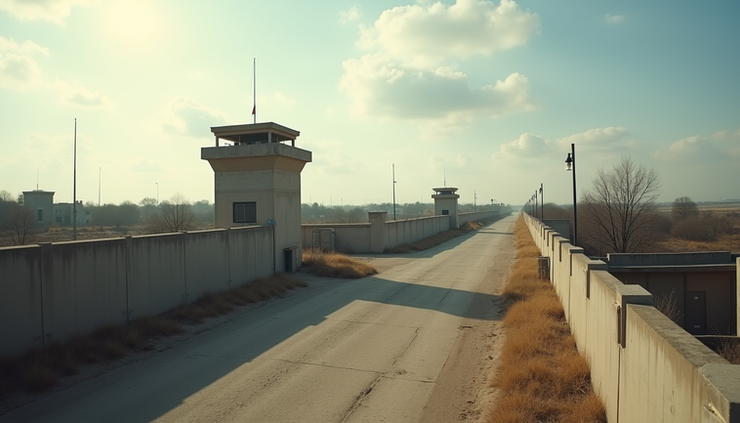
Defense is strongest where it is most prepared. Focus on fortifying:
Border checkpoints and entry points: Reinforce these with barriers, mines, and surveillance.
Critical infrastructure: Protect power plants, communication hubs, and supply depots.
Urban centers: Prepare cities for defense with barricades and evacuation plans.
Natural chokepoints: Use mountains, rivers, and narrow passes to slow enemy advances.
Strong fortifications force the enemy to expend more resources and time, giving defenders an advantage.
Employ the Best Military Tactics for Defense
The best military tactics combine flexibility, surprise, and efficient use of resources. Consider these approaches:
Defense in depth: Create multiple defensive layers so if the enemy breaches one, others remain intact.
Mobile reserves: Keep a rapid response force ready to counterattack or plug gaps.
Ambushes and hit-and-run attacks: Use smaller units to harass enemy supply lines and slow their progress.
Electronic warfare: Disrupt enemy communications and navigation systems.
For example, during the Battle of Stalingrad, Soviet forces used defense in depth and urban guerrilla tactics to wear down a larger invading force.
Mobilize and Train Your Forces Effectively
A well-trained and motivated force is essential. Steps include:
Regular drills and simulations: Prepare troops for various invasion scenarios.
Specialized training: Focus on urban combat, mountain warfare, or desert operations depending on terrain.
Leadership development: Cultivate the best leader qualities at all command levels.
Morale building: Maintain high spirits through clear communication and support.
Training ensures that soldiers can execute complex tactics under pressure and adapt to changing battlefield conditions.
Use Psychological Operations to Undermine the Enemy
Psychological tactics can weaken the enemy’s will to fight:
Disinformation campaigns: Spread false information to confuse or mislead.
Propaganda: Target enemy troops with messages that lower morale.
Negotiation and diplomacy: Exploit divisions within enemy ranks or among their allies.
During World War II, Allied forces used radio broadcasts to encourage German soldiers to surrender, reducing resistance.
Secure Supply Lines and Logistics
An invading force depends heavily on supply lines. Disrupting these can cripple their advance:
Target supply convoys: Use air strikes, ambushes, or sabotage.
Control transportation hubs: Secure railways, ports, and highways.
Stockpile resources: Ensure your own forces have ample supplies to withstand sieges.
For example, during the Gulf War, coalition forces targeted Iraqi supply routes to isolate front-line units.
Coordinate with Allies and Local Populations
Support from allies and civilians strengthens defense:
Joint operations: Share intelligence and coordinate troop movements.
Local militias: Train and equip civilians to assist in defense.
Humanitarian support: Maintain civilian morale by providing food, shelter, and medical aid.
In the Vietnam War, local knowledge and support were crucial for guerrilla fighters resisting invasion.
Prepare for a Solo Invasion Scenario
A solo invasion by a determined enemy requires special attention:
Rapid response: Deploy forces quickly to contain the initial breach.
Flexible command: Empower commanders to make decisions without waiting for orders.
Use terrain advantage: Force the solo invading force into unfavorable positions.
Exploit overextension: A solo force may lack reinforcements, making it vulnerable.
Historical examples include the defense against Napoleon’s solo advances, where local forces used hit-and-run tactics to slow him down.
Invest in Technology and Intelligence Systems
Modern warfare relies heavily on technology:
Surveillance systems: Use drones, satellites, and sensors for real-time battlefield awareness.
Cyber defense: Protect your networks from hacking and electronic attacks.
Precision weapons: Employ guided missiles and artillery to target enemy concentrations.
Communication networks: Maintain secure and reliable channels for command and control.
Technological superiority can compensate for smaller troop numbers and improve decision-making speed.
Maintain Flexibility and Adaptability
No plan survives contact with the enemy unchanged. The best leader knows when to adapt:
Monitor battlefield changes: Adjust tactics based on enemy movements.
Encourage initiative: Allow lower-level commanders to act on new information.
Prepare contingency plans: Have backup strategies for different scenarios.
Flexibility prevents the enemy from exploiting predictable patterns.



Comments