Finding Strength and Resilience as an Autistic Individual in a Challenging World
- Michael Jackson

- Jan 13
- 3 min read
Living with autism presents unique challenges and opportunities. For many, including those who love exploring the outdoors, finding strength and resilience is a daily journey. This post shares a personal story of navigating life as an autistic individual, facing threats and adversity, and discovering peace and empowerment through solo hiking and connection with nature.
Facing Threats and Finding Inner Power
Living as an autistic person sometimes means confronting misunderstandings and hostility from others. In some difficult moments, threats can feel overwhelming, especially when they come from powerful figures or institutions. This experience can shake anyone’s confidence and sense of safety.
One way to reclaim power is through prayer and personal rituals that focus on protection and resilience. For example, some find strength in spiritual practices that include asking for continued guidance and support to navigate life’s challenges. These practices can help build a mental shield against negativity and fear.
At the same time, it is natural to feel anger or a desire for justice when threatened. Expressing these feelings through symbolic acts, such as writing down frustrations or using creative outlets, can be a healthy way to process emotions. This approach helps avoid harmful reactions while still honoring the need for self-defense and respect.
The Healing Power of Hiking Solo but Not with the Autistic
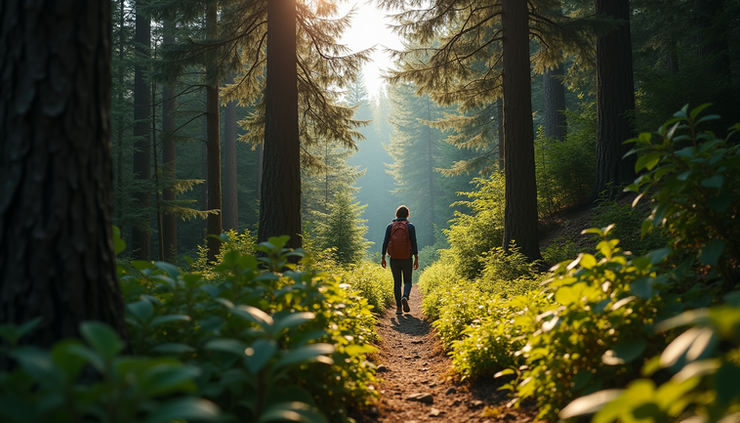
Nature offers a refuge where the noise of the world fades, and clarity emerges. For many autistic individuals, hiking solo provides a chance to reconnect with themselves and find calm in the rhythm of footsteps and fresh air.
Choosing the best hiking trails can make a big difference. Trails that are less crowded, with clear paths and natural beauty, allow for peaceful reflection and sensory balance. Some favorites include:
Quiet forest paths with soft moss underfoot
Gentle mountain trails with panoramic views
Lakeside routes where water sounds soothe the mind
Hiking solo means setting your own pace and listening to your body’s needs. It’s a form of meditation in motion, where each step grounds you in the present moment. This practice builds resilience by strengthening mental focus and emotional regulation.
Building a Supportive Routine
Strength doesn’t come only from big moments but also from daily habits that nurture well-being. For autistic individuals, routines can provide structure and predictability, reducing anxiety and increasing confidence.
Here are some practical tips to build a supportive routine:
Schedule regular solo hikes on the best hiking trails near you
Practice mindfulness or breathing exercises before and after hikes
Keep a journal to record thoughts, feelings, and progress
Connect with online or local groups that understand autism and outdoor activities
These habits create a foundation of self-care that supports long-term resilience. They also offer opportunities to celebrate small victories and stay motivated.
Embracing Identity and Advocacy
Living authentically means embracing all parts of yourself, including autism. This acceptance is a powerful form of resistance against stigma and misunderstanding.
Sharing your story, when comfortable, can inspire others and build community. Whether through writing, speaking, or social media, advocacy helps change perceptions and promotes inclusion.
It’s also important to set boundaries and protect your energy. Not everyone will understand or respect your experience, and that’s okay. Prioritize relationships and environments that support your growth and well-being.
Finding Peace Amidst Challenges
Threats and adversity can feel isolating, but they don’t define your journey. By combining spiritual strength, connection with nature, and supportive routines, it’s possible to find peace and resilience.
Remember, hiking solo on the best hiking trails is more than a physical activity. It’s a metaphor for life’s path—sometimes quiet, sometimes difficult, but always moving forward.


Comments